Sunday, 18 January 2015

How i ebonized my wood:
1) pour 4 bottles of vinegar into a plastic tub.
2) i used 4 rolls of steel wool (easily bought at Robert Dyas)
3) My pieces of oak, i then fully covered in the vinegar solution.
4) Place the lid ontop so that all the air stays inside.
5) Let soak overnight.
6) Take wood out and lay on paper towels to dry. Wood will smell like vinegar for a few days, but smell fades eventually!
1) pour 4 bottles of vinegar into a plastic tub.
2) i used 4 rolls of steel wool (easily bought at Robert Dyas)
3) My pieces of oak, i then fully covered in the vinegar solution.
4) Place the lid ontop so that all the air stays inside.
5) Let soak overnight.
6) Take wood out and lay on paper towels to dry. Wood will smell like vinegar for a few days, but smell fades eventually!
As well as being back home for Christmas,
I began to become inspired by the culture i used to live in.
Arabic lanterns are one of my most favourite things, owning many myself.
They usually are not 'organic' shapes, which is why it reminded me a bit of what i was focusing on.
This is where i got the idea to incorporate a dyed resin layer to my project, to glow or almost mock a arabic lantern.

I began to become inspired by the culture i used to live in.
Arabic lanterns are one of my most favourite things, owning many myself.
They usually are not 'organic' shapes, which is why it reminded me a bit of what i was focusing on.
This is where i got the idea to incorporate a dyed resin layer to my project, to glow or almost mock a arabic lantern.
While doing some research, i came across a artist who make wood sculptures in geometric shapes.
His work really reminds me of what I am trying to acheive, except he keeps the natural look of the wood, while i aim to make the natural materials also look unnatural.

His name is Lee Jae Hyo
He is a Korean born artist.

The aim of my project is to focus on making natural materials, look as unnatural as possible.
I aim to make my lights in shapes which would look 'fake' or not like a natural material.
Below i have found some images of non-natural shapes, to give me some ideas.

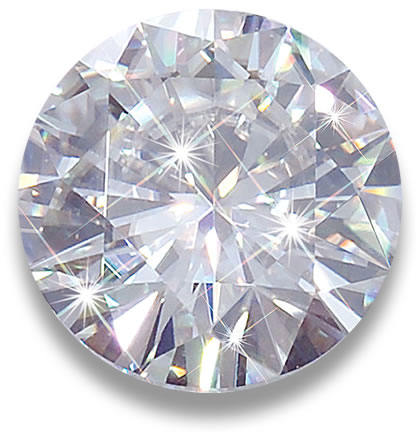


Shapes like cubes, spheres, or triangles seem to make me think of man-made things.
Shapes with more rounded edges and 'flow' to them do quite the opposite. I feel that straight edges and precise measurements and shape to something, the more unnatural it looks.
I aim to make my lights in shapes which would look 'fake' or not like a natural material.
Below i have found some images of non-natural shapes, to give me some ideas.
Shapes like cubes, spheres, or triangles seem to make me think of man-made things.
Shapes with more rounded edges and 'flow' to them do quite the opposite. I feel that straight edges and precise measurements and shape to something, the more unnatural it looks.
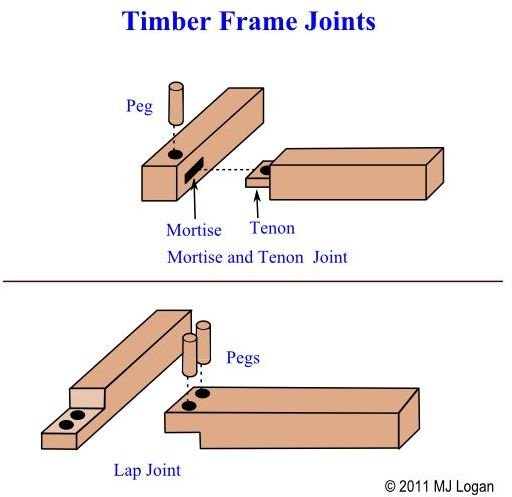
Chinese joinery
For my dissertation, i have been looking at if contemporary Chinese furniture can still be labeled 'Chinese', while looking at specific traits and characteristics.
One of the characteristics i focused on was joinery.
Joinery is incredibly important in traditional Chinese furniture, as no metal fasteners were used, and because of the climate need to be very precise and fit well.

Saturday, 17 January 2015

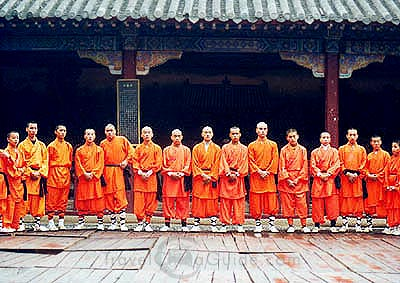

Although quite hard to find in England (for cheap..), Saffron seems to be used quite often in dying and staining fabrics.

Saffron (when dried)
Saffron was originally gown in Greece and Southwest Asia. When thought of, most people relate it to saffron rice, or other yellow foods, but saffron has been used as a dye for years. It is also the most costly spice in the world by weight!

The saffron flower
When saffron is dried after harvest, the heat and the enzyme action release and give saffron its distinctive aroma.
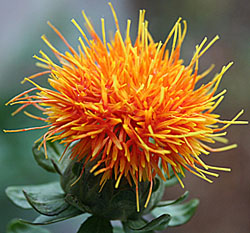
A common substitute for saffron can be safflower, which is similar, but less expensive and a more orange colour - rather than red.. Below is a picture of the Safflower
Subscribe to:
Posts (Atom)